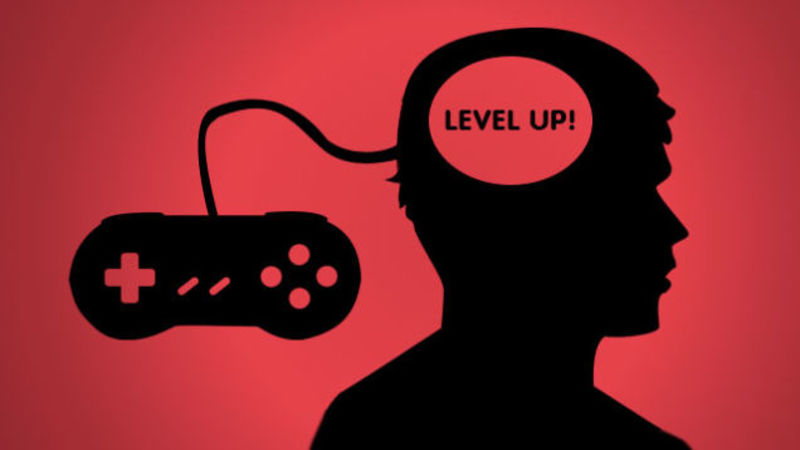
Because of society’s increasing dependency on technology, we can now look to technological spaces (like video games) for personal development and growth.
Video games forge a strong relationship between our physical and digital worlds. Alexander Galloway explains in his Essays on Algorithmic Culture that “[o]ne of the central theoretical issues in video gaming is how and in what way one can make connections between the gaming world and the real world.” It seems appropriate to ask how the skills learned through video games can be useful outside the world of the game.
Video games can develop the mind in ways that traditional learning spaces cannot. Players must learn to think quickly and critically in short periods of time in order to complete tasks. Galloway also says that “games are an active medium that requires constant physical input by the player: action, doing, pressing buttons, controlling, and so on.” This combination of mental and physical engagement creates a foundation for growth in many different types of literacies.
Although Johan Huizinga argues in Homo Ludens that play is “a stepping out of ‘real’ life into a temporary sphere of activity with a disposition all of its own,” the literacies that games teach can certainly influence the way we think and act in our everyday lives. (Here are 10 Ways Video Games Can Improve Real Life)
