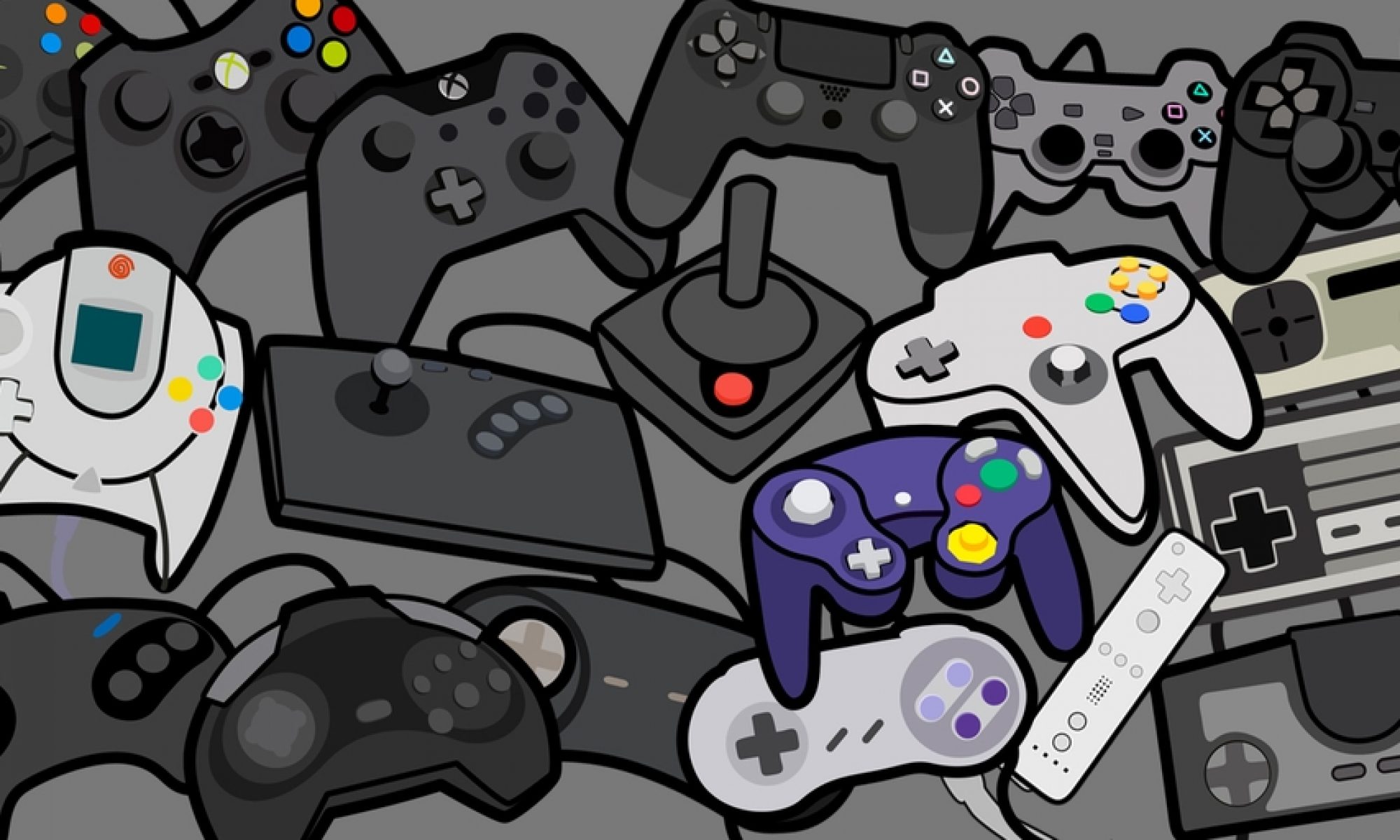
I remember my first console: Playstation 2. I remember my first favorite game: Sly Cooper and the Thievius Raccoonus. I remember the first game that I ever played online with friends: Call of Duty: World at War. I also remember the first Xbox controller I broke from throwing it on the ground in rage. I was quickly lectured by my very angry father but I can wholeheartedly say that I have learned from my situation and have never broken a controller since. Besides learning the value of a $60 controller, from all of my gaming experience I have learned so much from playing video games contrary to my father’s belief. The use of rhetoric can take many diverse forms like speeches, books, and movies but video games have a certain rhetoric to them that includes teaching while also providing entertainment.
Games have taught me cognitive skills ever since I could hold a controller. I’ve learned about problem-solving, spatial awareness, and motivation more from playing games like Sly Cooper for an hour than playing baseball for a decade. I still learn new things from games now. It may seem like I’m just playing a game but after reflecting on the gameplay I had experienced, games are much deeper than I perceive. Games like Assassin’s Creed have taught me about history and culture, Hellblade: Senua’s Sacrifice has taught me about mental illness, and games like Minecraft have taught me about creativity. With the new advancements in the video game world, games should be as complex as their operating systems and most of the time, they are.
And I’m not the only one who learns or has learned things from games! Plenty of people share the same thought that video games teach them and convey value and meaning to all players. It’s because our human minds can only take so many meaningless things (like a straight up zombie killer game) for so long before searching for meaning elsewhere or creating meaning in a different video game. Look at how Call of Duty Zombies has evolved for example. It started out as a simple game where your objective was to last as many rounds as you can by shooting everything and anything that attacks. Now, CoD Zombies is barely even about killing zombies. I mean, that still has a place in the game but what has really taken over the game mode is the story behind the creation of the zombies and the locations and the characters. It’s become so much more than the endless swarm of zombies; it’s become something of a narrative spectacle. As we can see from Zombies’ evolution, we tend to create complex video games that has deep layers to it like a Stanley Kubrick film.
We, as the players, then strive to find aspects of our playing that translate into our normal life. James Paul Gee argues in his book The Anti-Education Era: Creating Smarter Students Through Digital Learning, “Humans orient towards meaning in the sense that a person, thing, or event has significance and value within a story that gives their life and actions, and the world they live in, a purpose” (134). Players find what speaks to them most from within a video game campaign or multiplayer and use that thing to change their life in a way, whether it be small or significant. We find that value and meaning from certain game mechanics or effects on our play whether we may notice right away or not. We translate the most useful aspects of our play to our life after subconsciously learning about those aspect by killing a bunch of shit in a video game.
Click on any of the above subject items to learn about the various ways that video games teach us!
