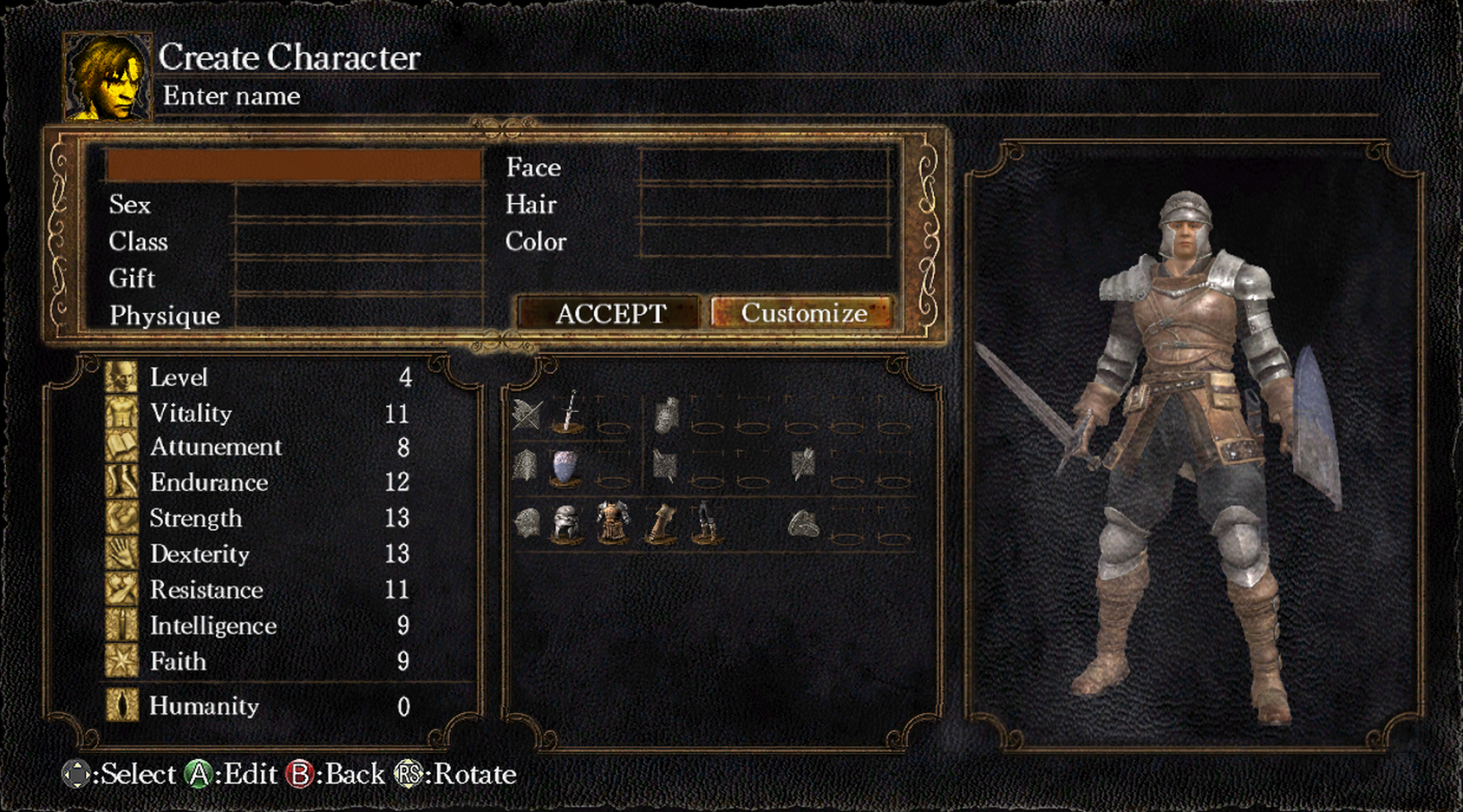
Identity is a game we play. And, sometimes, games play with identity. According to Ian Bogost, “Video games are models of real or imagined systems” (136). Whenever anyone starts playing a new video game, they are thrown into a world that mimics some quality of life outside of that game. And that model critiques, whether consciously or not, the very system that it simulates – a system that has been designed by humans in order to be operated and navigated by humans in return. Eric Zimmerman and Heather Chaplin richly add onto this idea in their “Manifesto for a Ludic Century” when they assert that “A playful system is a human system, a social system rife with contradictions and with possibility” (2). This point continues, “…as we play, we think about thinking and we learn to act in new ways. As a cultural form, games have a particularly direct connection with play” (Zimmerman and Chaplin 2). As members of humanity, we create systems that are imperfect. Every system consists of rules that must be followed in order for that system to work, but our freedom to construct these rules can lead to features, elements, or products that become noticeably artificial and hollow, rather than concrete and whole. But those are the rules of the game, so, more often than not, we adjust and play along. In Nature and Significance of Play as a Cultural Phenomenon, Johan Huizanga presents the argument that “In play, there is something ‘at play’ which transcends the immediate needs of life and imparts meaning to the action” (97).
The concept at play here is identity, in all of its bending, ever shifting nature – its customizability. If video games are models of real or imagined, playful systems, then “Video games make arguments about how social or cultural systems work in the world – or how they could work, or don’t work” (Bogost 136). And if that’s the case, then video games can quite effectively make arguments about identity, as a social system that our culture constructs.
