Jean-Paul Sartre’s discussion of intersubjectivity in Existentialism and Human Emotions expands on Butler’s observation of how we, as human subjects, construct (and corner ourselves in) these spaces of identity through practice and popular repetition. He writes, “And when we say that a [person] is responsible for [their self], we do not only mean that [they] [are] responsible for [their] own individuality, but that [they] [are] responsible for all [mankind]” (346). The responsibility that comes with our freedom to attribute essence onto the world of objects and subjects that surrounds us is the sobering realization that we are not alone in this authority. “In fact, in creating the [person] that we want to be, there is not a single one of our acts which does not at the same time create an image of man as we think [man] ought to be” (Sartre 346). You, as an individual subject, certainly have the ability to make meaning and place essence, and your choices help define life, existence, and the world for everybody, not just yourself. But every other person – every other subject – is equally able to exercise their existential will in this way, as well. And this fact grants everyone else the same freedom to confirm or deny the identity you seek to emit – whether in life or in game.
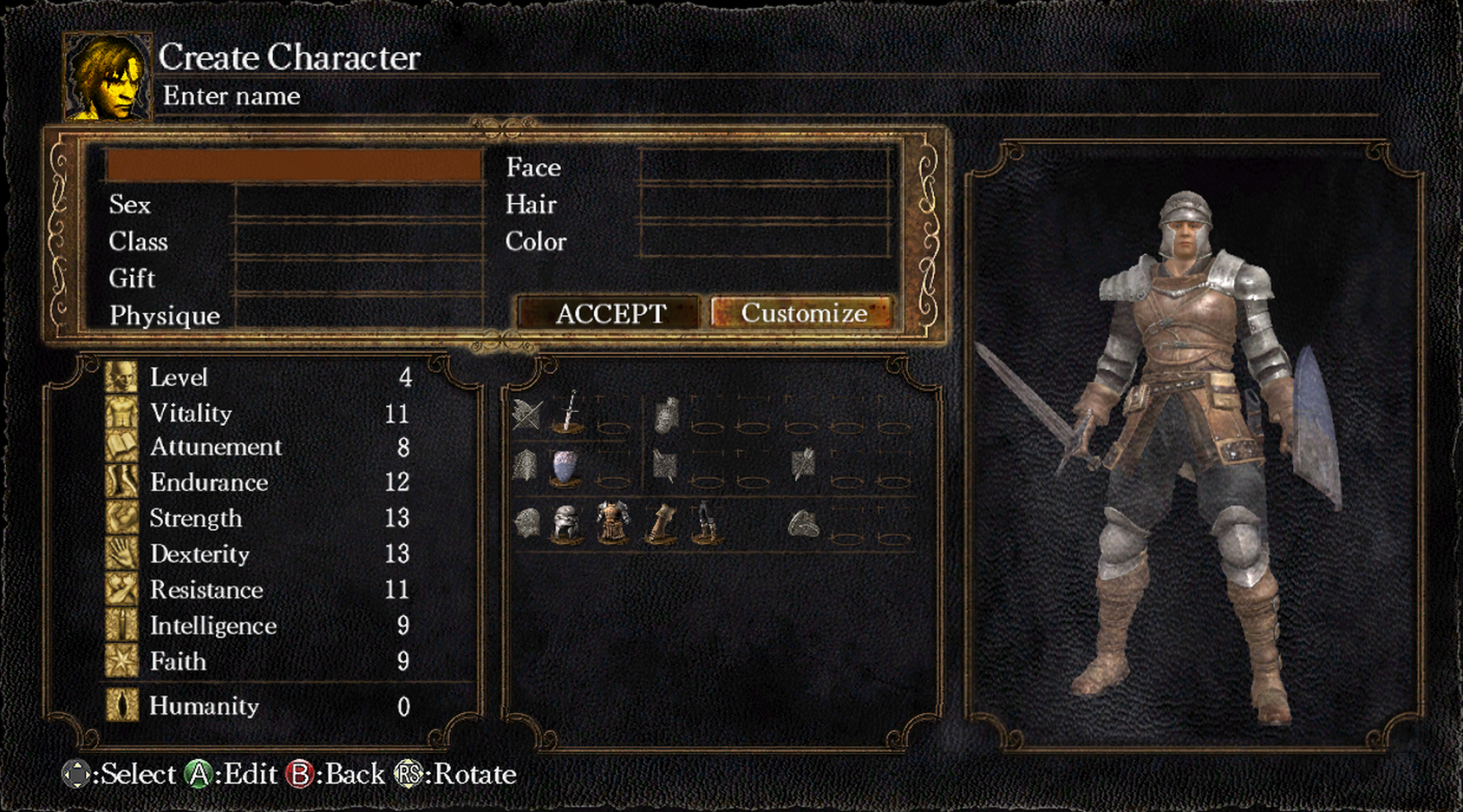
The Essence of Video Game Avatars
